Rethinking Secondary Packaging for Fragile and Precision Products

Replace bubble wrap, foam, and thermocol with engineered mycelium-based systems, designed to fit into your existing packing process.

From bulk transport to individual product packaging: reduce variability, improve protection, and eliminate plastic.

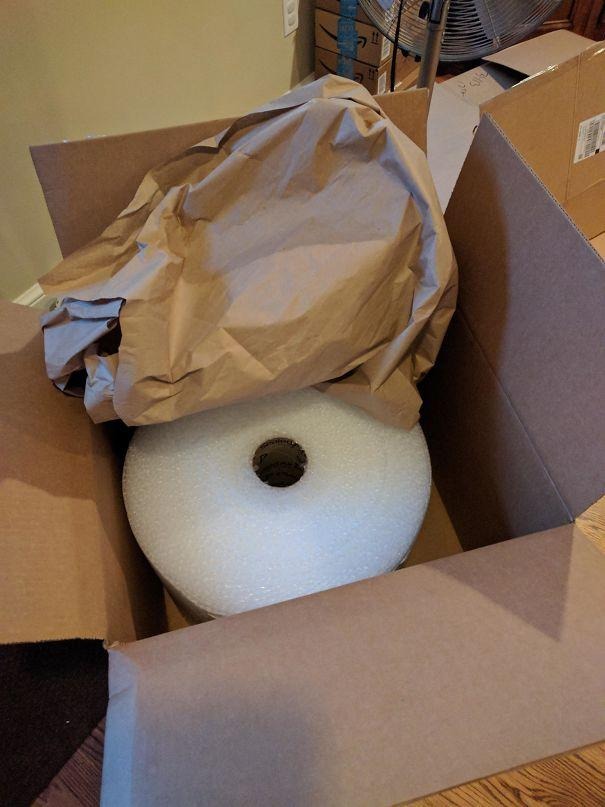
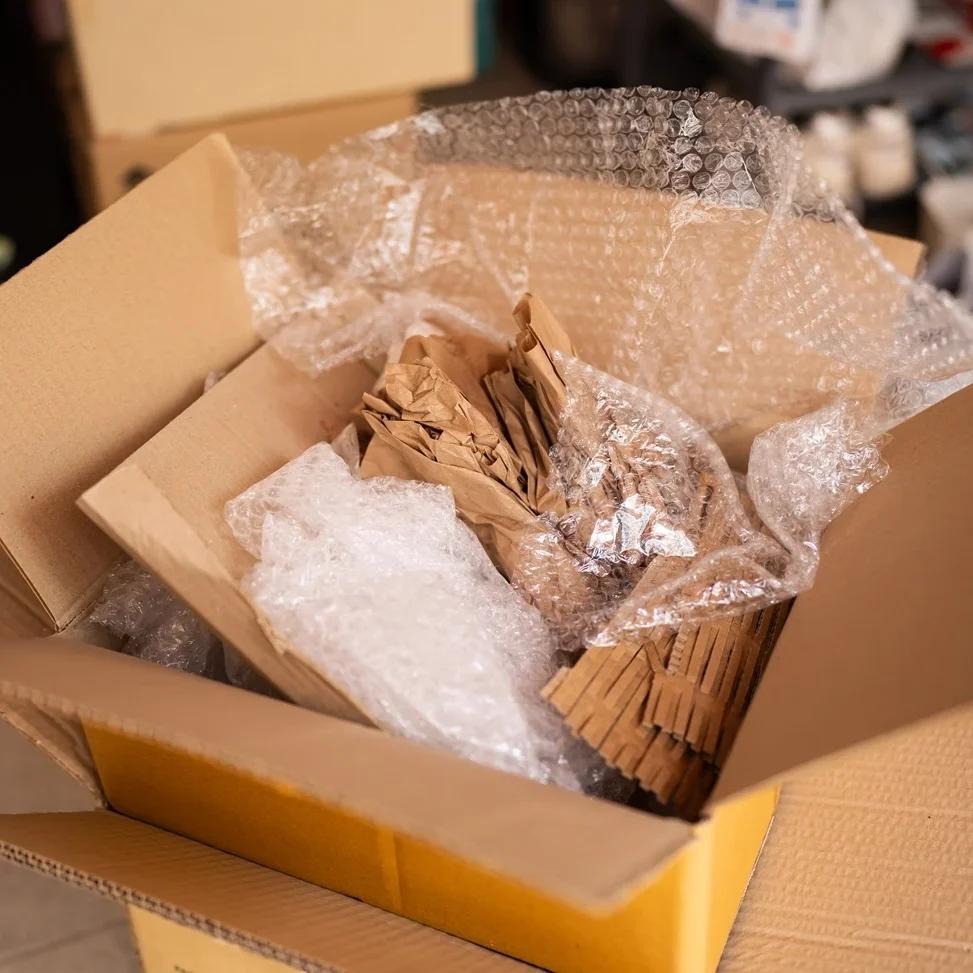
Open carton stuffed with crumpled kraft paper and a roll of bubble wrap void fill
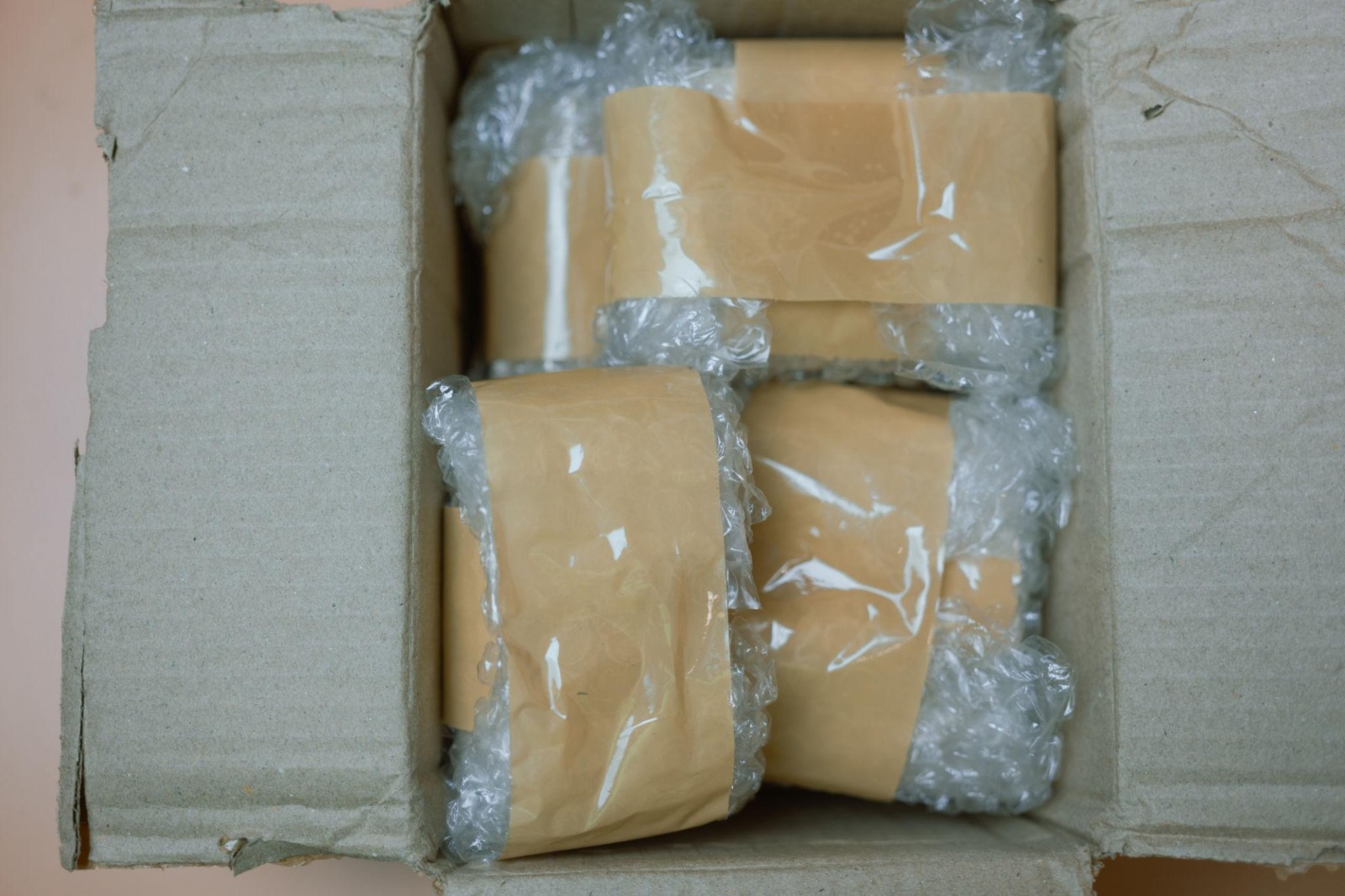
Open carton with multiple items hand-wrapped in kraft paper and plastic film manual layering
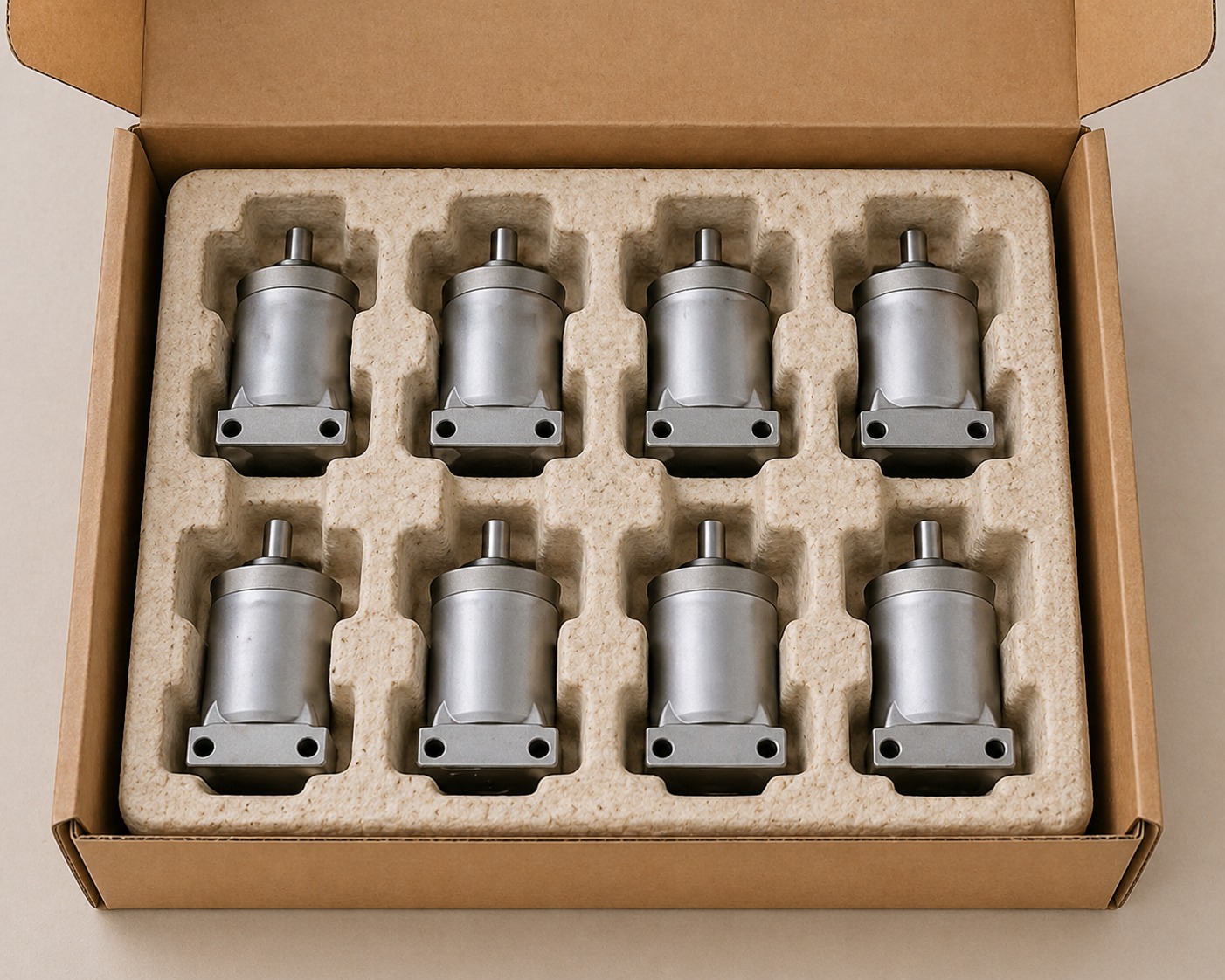
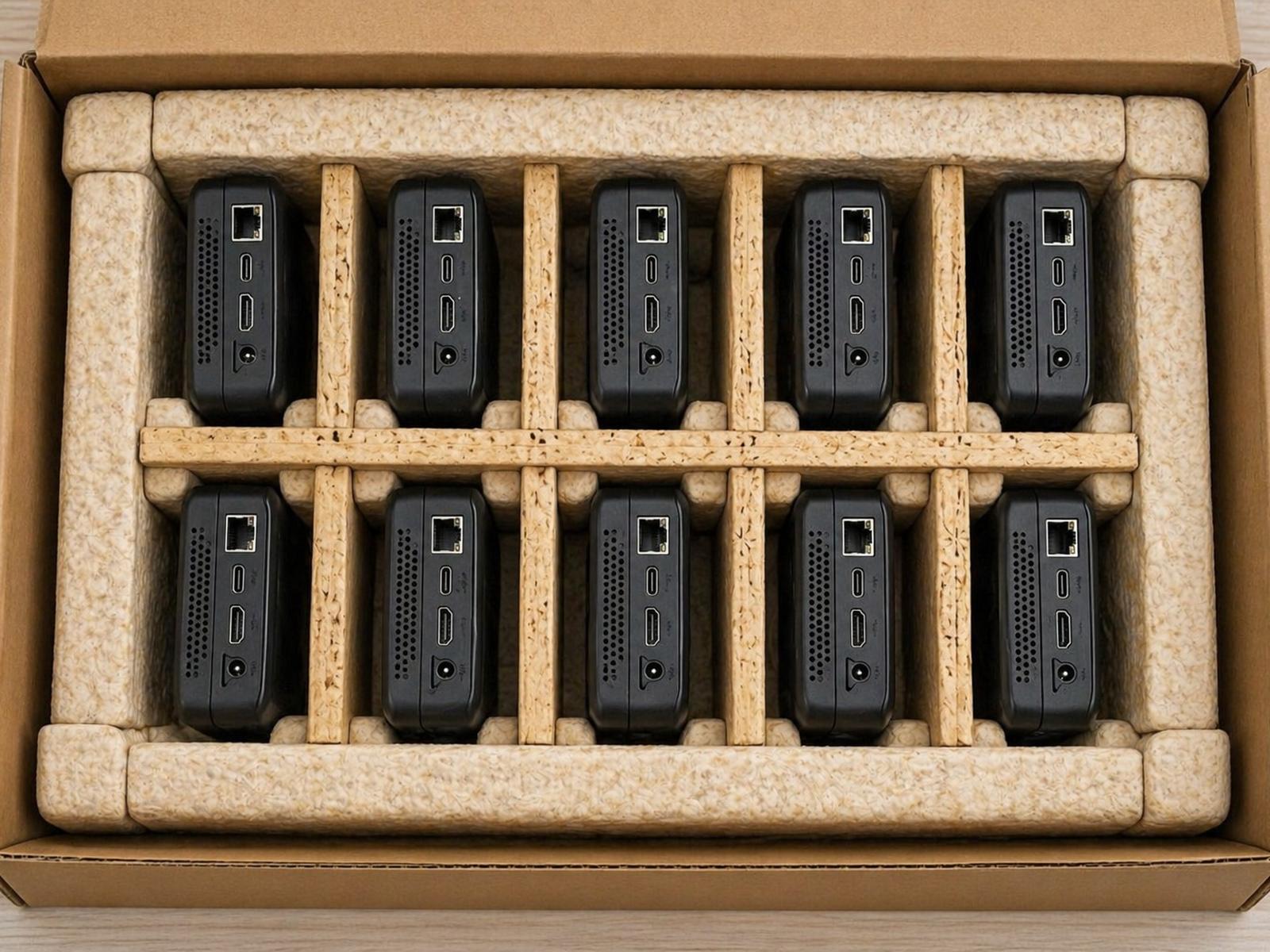
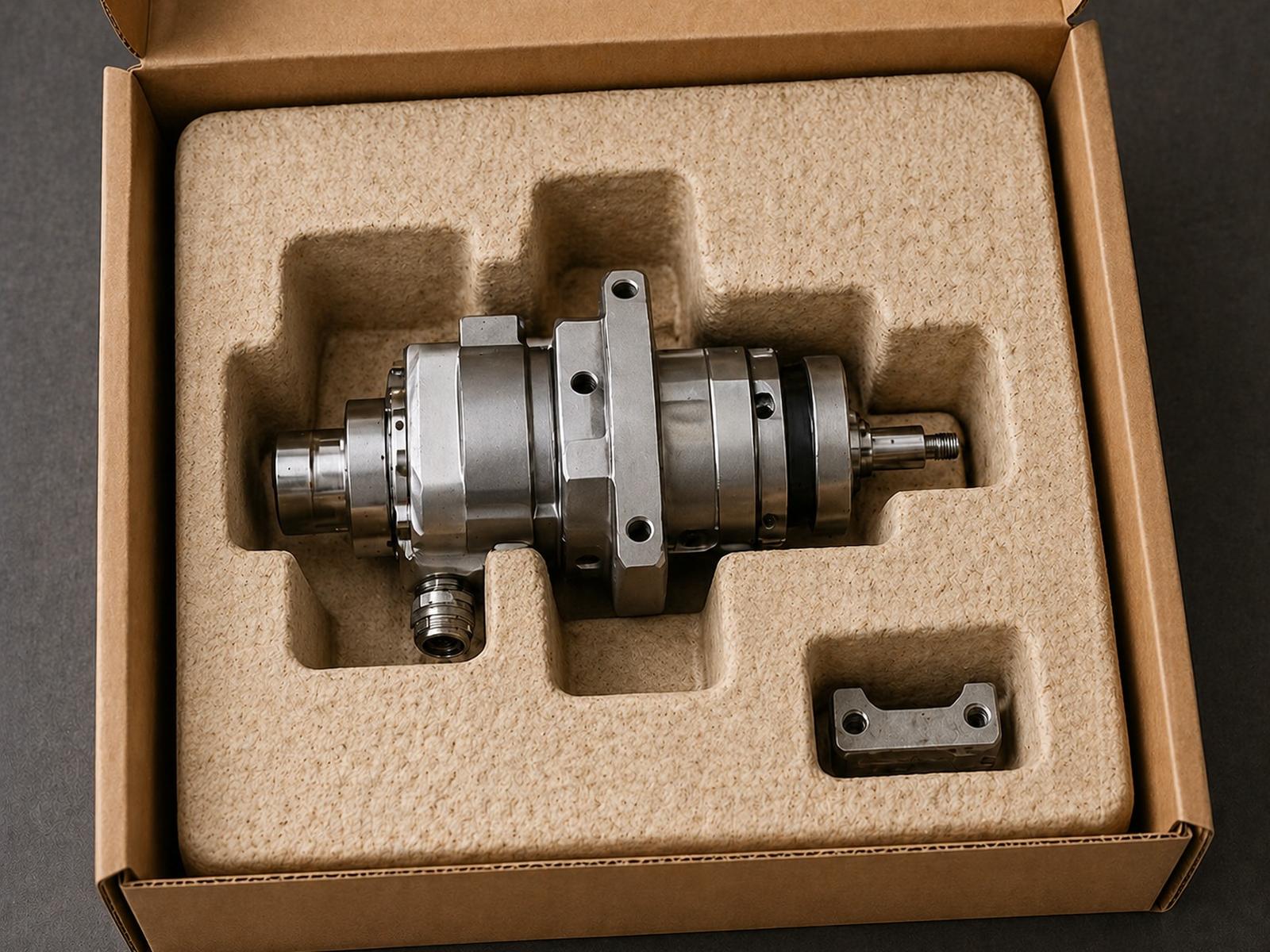
Eight precision metal components seated in a molded mycelium tray inside a carton engineered cavity
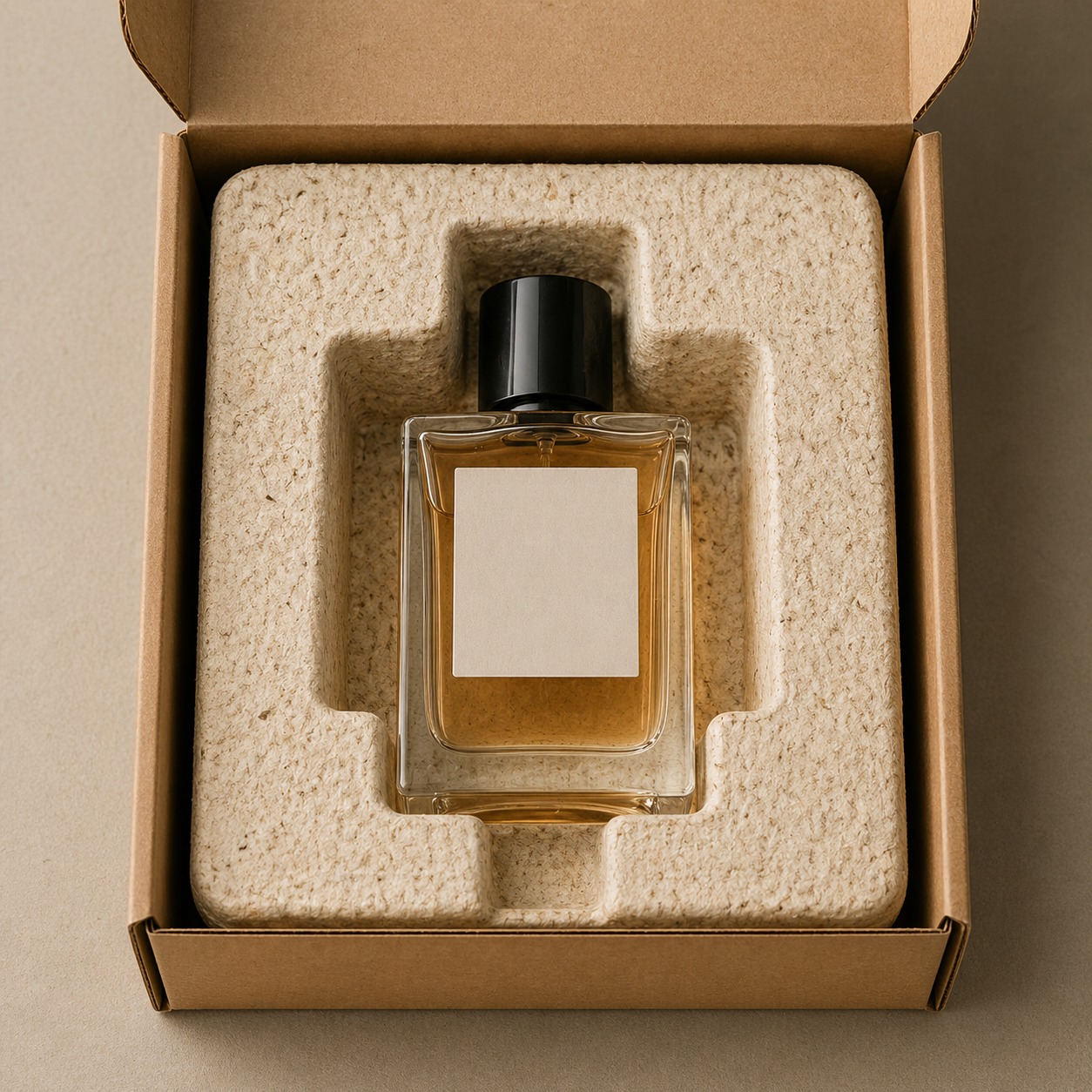
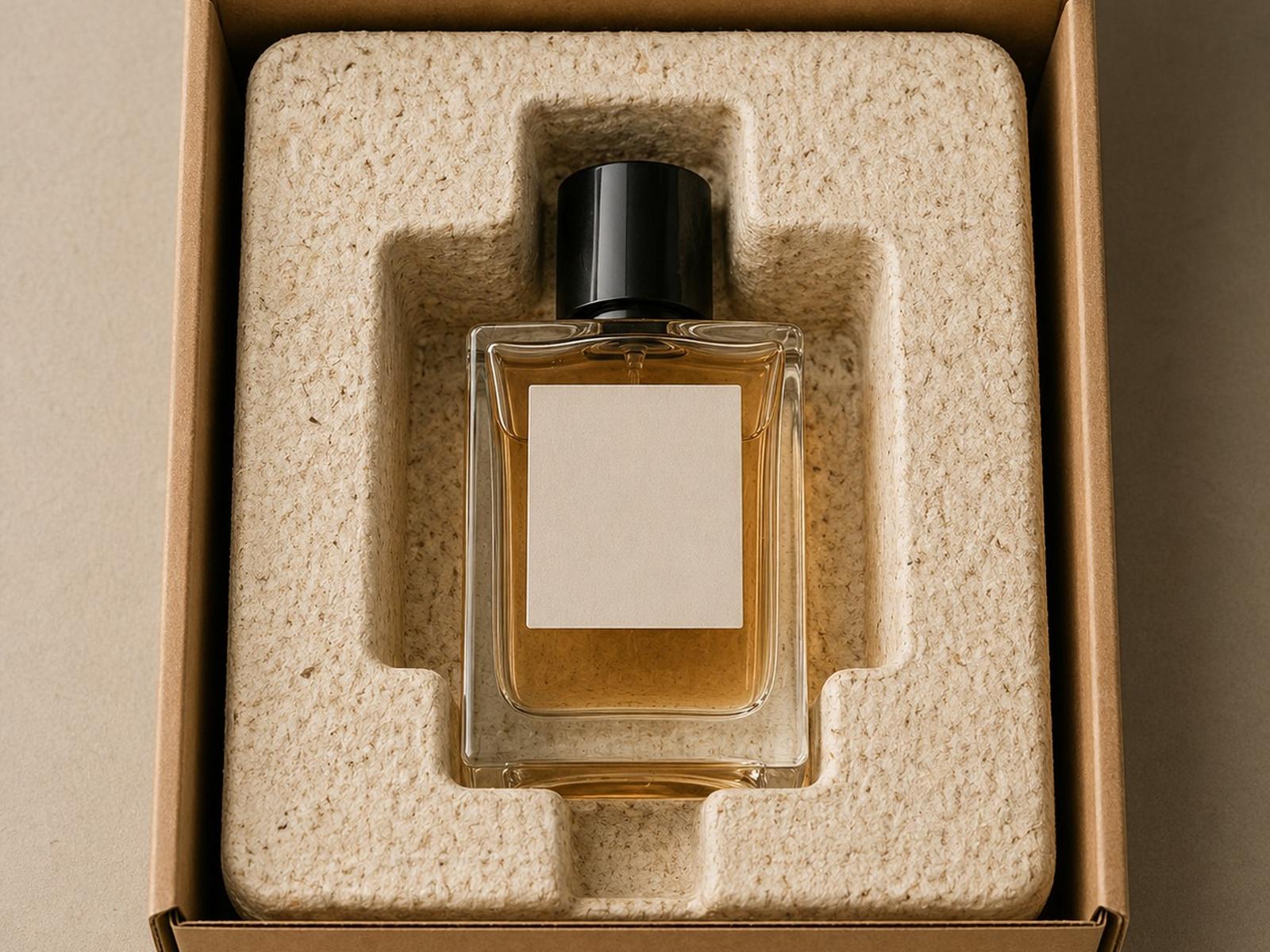
Glass perfume bottle nested in a precision-molded mycelium cavity precision fit

Most Secondary Packaging is Still Built on Workarounds

Across industries, fragile and precision products are still packed using bubble wrap layers, foam inserts, thermocol void fill, and manual overpacking.

These systems work, but they come with trade-offs.

Open carton stuffed with a mix of bubble wrap and crumpled kraft paper
Inconsistent

Inconsistent Protection

Outcomes depend on who packed the box, not on an engineered standard.

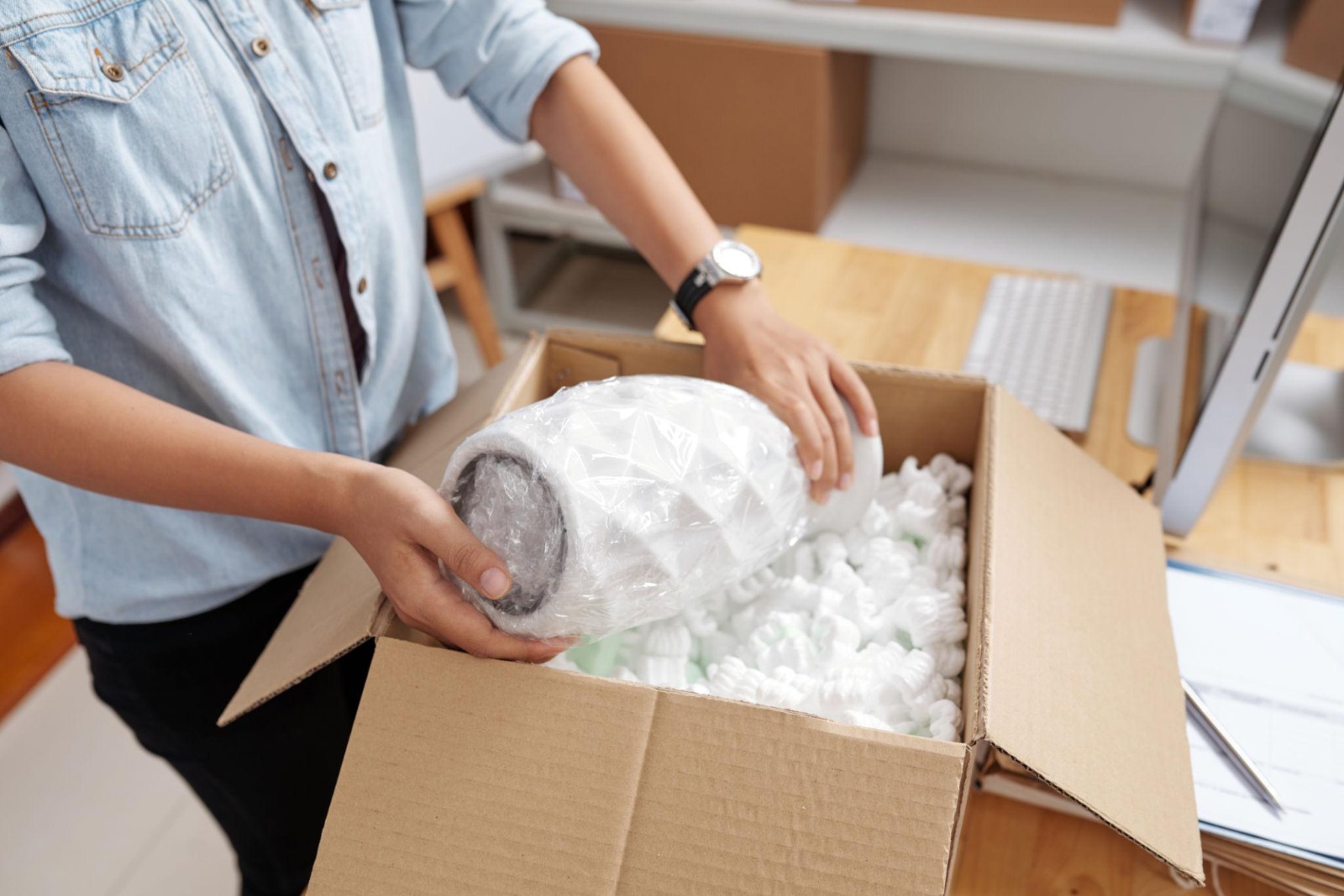
Person manually placing a wrapped item into a carton filled with styrofoam peanuts
High effort

High Packing Effort

Multi-step wrapping and void-fill add time on every single carton.

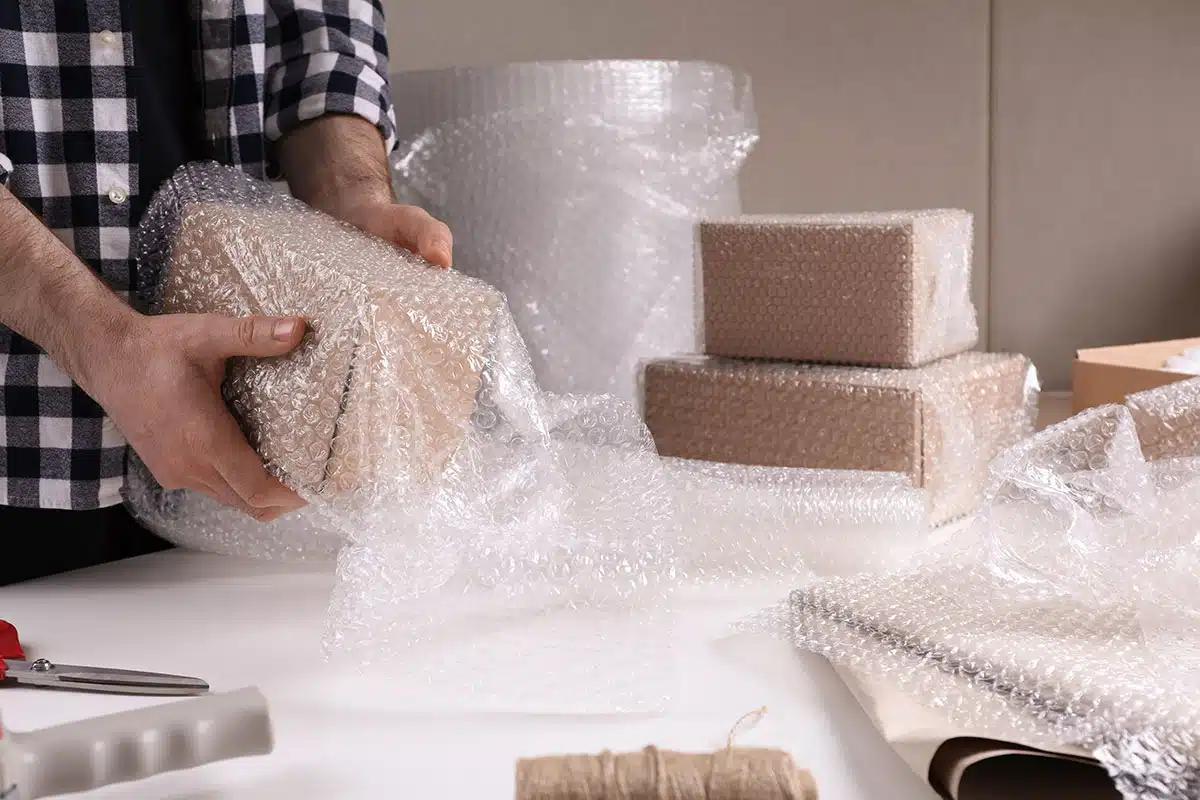
Worker hand-wrapping a fragile carton at a packing station surrounded by bubble wrap rolls and previously wrapped boxes
Excess material

Excess Material Usage

Bulky plastic cushioning eats volume, weight, and warehouse space.

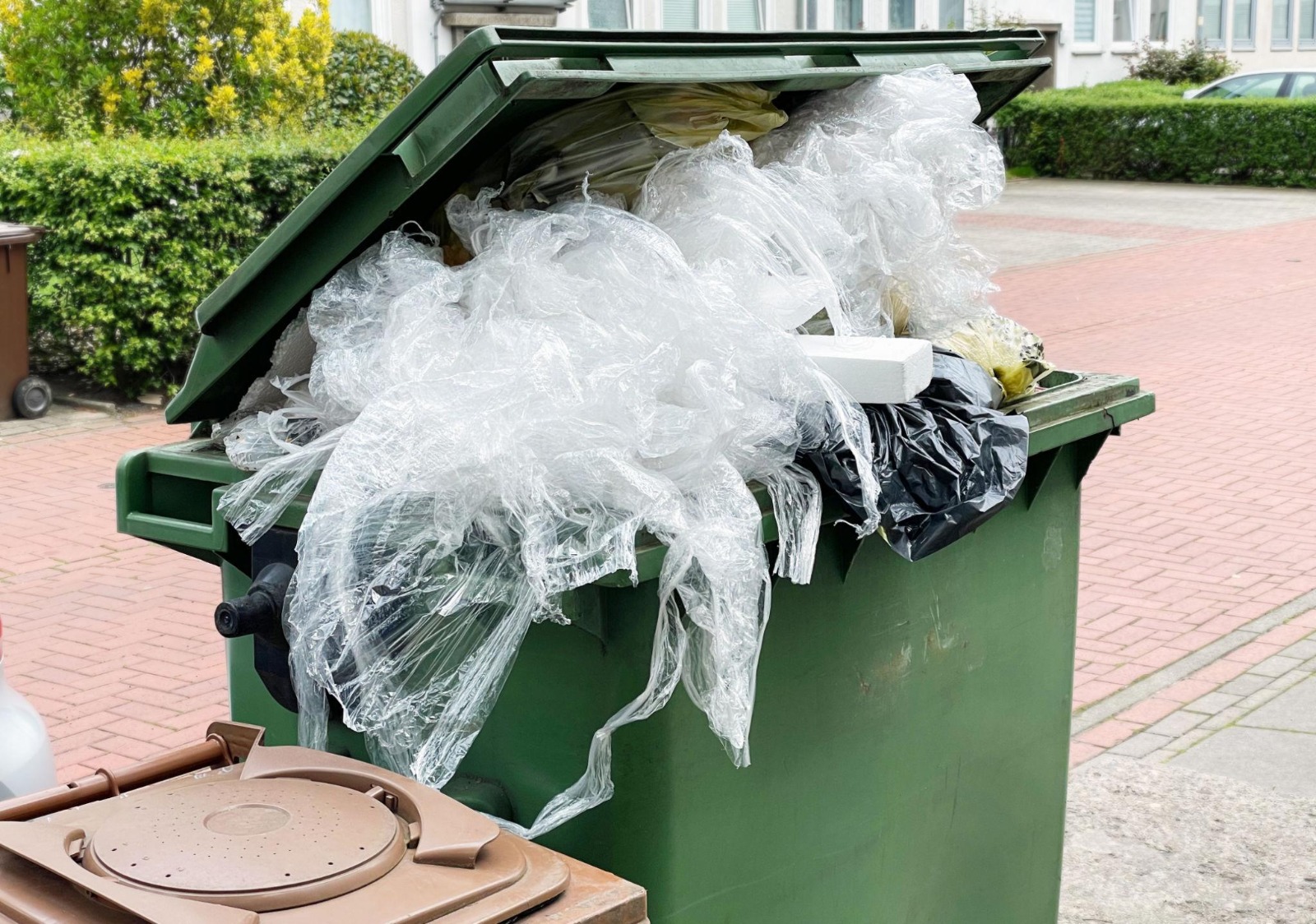
Outdoor dumpster overflowing with discarded plastic packaging film
Wasteful

Poor Sustainability

Plastic-heavy packaging creates waste streams brands can no longer ignore.

A System-Level Replacement, Not Just a Material Swap

We build mycelium-based secondary packaging that fits into existing packing workflows, replaces plastic-based cushioning, and delivers consistent, engineered protection across formats.

Solution 01 · Bulk Packaging

Bulk Transport and Void Fill

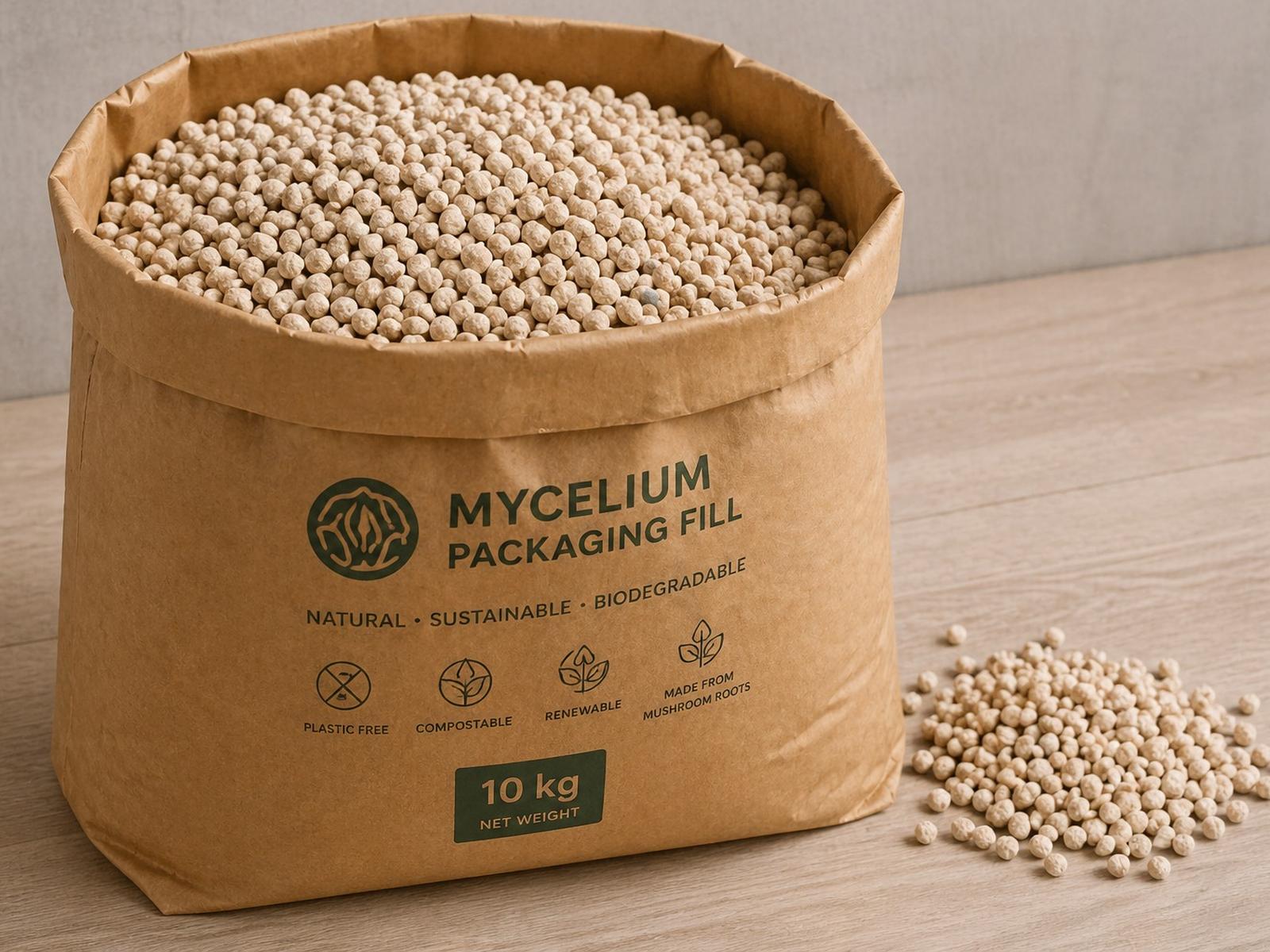
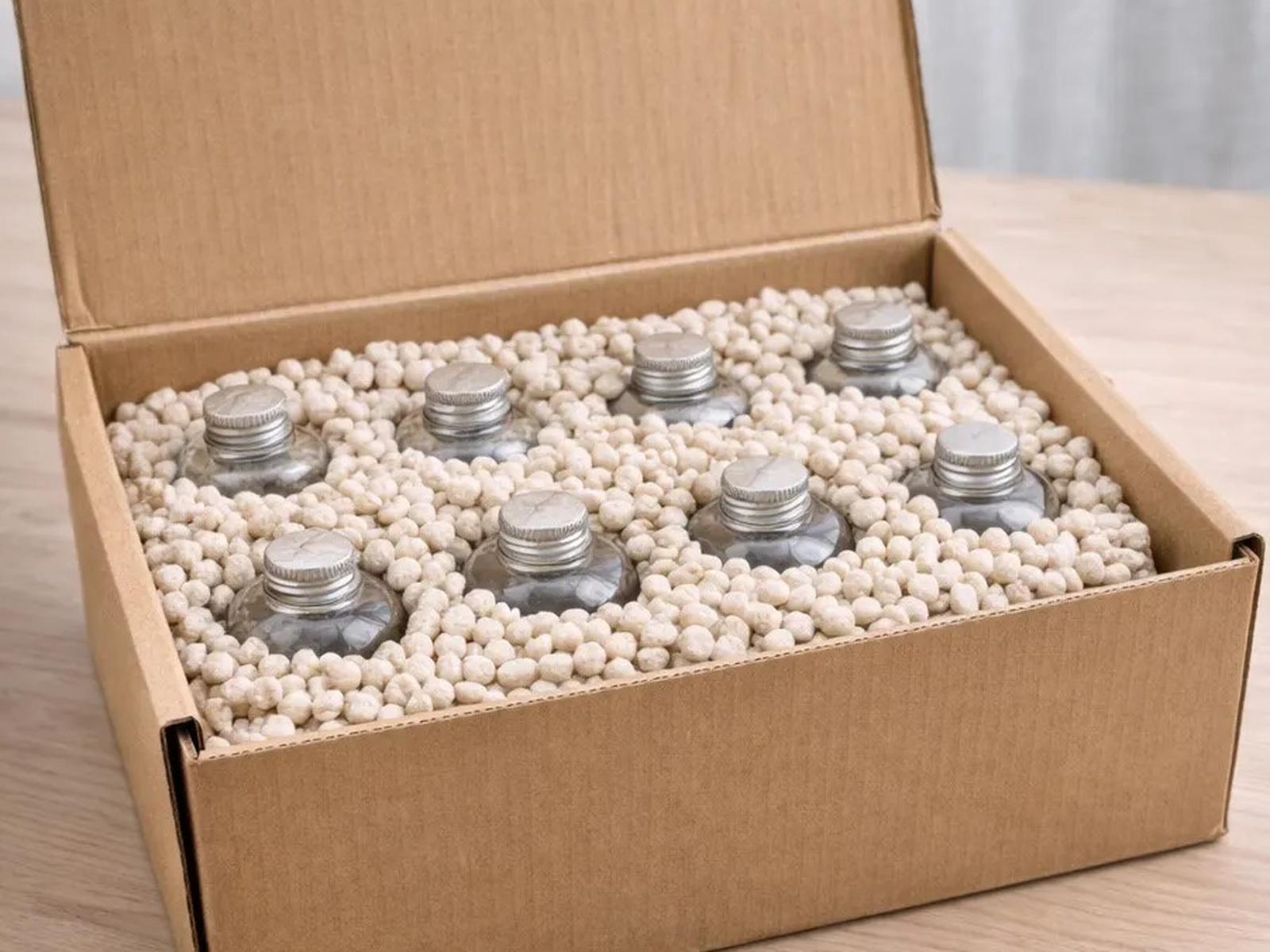
Replacing loose thermocol with mycelium pellets.

Used for

  • Mixed SKU shipments
  • Irregular products
  • Fragile items without fixed structure

Key points

  • Drop-in replacement, no new equipment
  • Same packing method your team already uses
  • Cleaner handling (no static cling, no fragments)
  • Stable cushioning behavior across the carton

Solution 02 · Strip System

Structured Cushioning for Bulk Transit

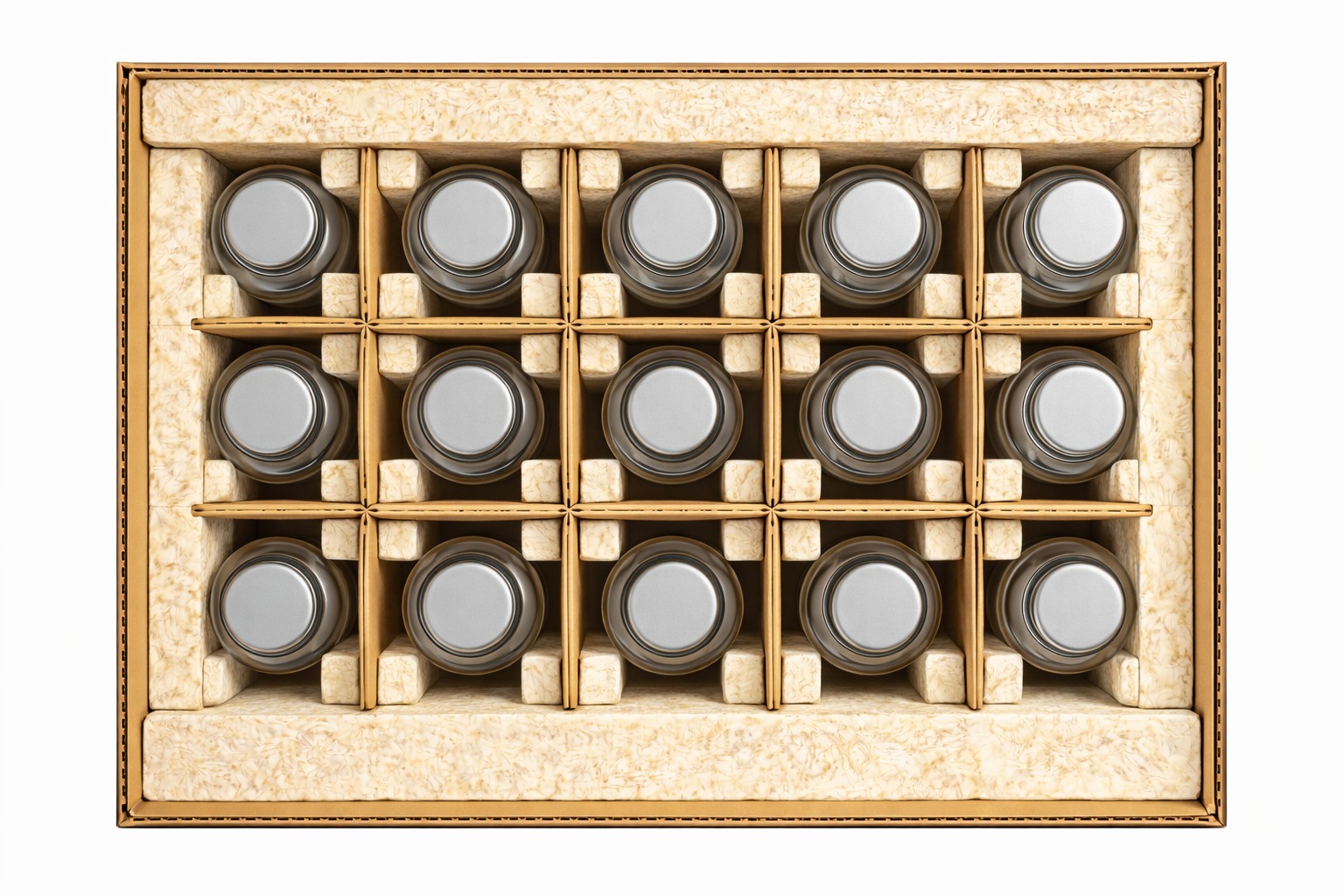
Replacing bubble wrap layers with strip-based inserts.

Designed for

  • Partition-based packing
  • Multi-unit shipments
  • Glass bottles and fragile components

Key benefits

  • No individual wrapping per unit
  • Faster packing: 60–70% time reduction
  • Lower material volume per carton
  • More stable positioning during transit

Solution 03 · Molded Inserts

Product-Level Protection

Replacing foam and molded thermocol inserts.

For

  • High-value fragile products
  • Standardized SKUs
  • Premium packaging

Key points

  • Custom-fit cavities matched to product geometry
  • High structural stability under stacking loads
  • Consistent performance across production runs
  • Suitable for repeat, high-volume packaging

Where This Applies

Anywhere fragile or precision products move through a supply chain, engineered cushioning beats manual wrapping.

Glass & Bottled Products

Perfumes, beverages, cosmetics, pharmaceuticals.

Precision Auto Components

Sensors, electronics, assemblies.

Electronics & Industrial Parts

Circuit boards, control units, modules.

Food & Grocery

Glass jars, gourmet products, specialty goods.

E-commerce & Mixed Shipments

Multi-SKU fragile packaging, marketplace fulfilment.

Lab & Scientific Instruments

Glassware, vials, calibration kits, precision equipment.

From Manual Cushioning to Engineered Systems

Replace improvised protection with a system you can spec, test, and scale.

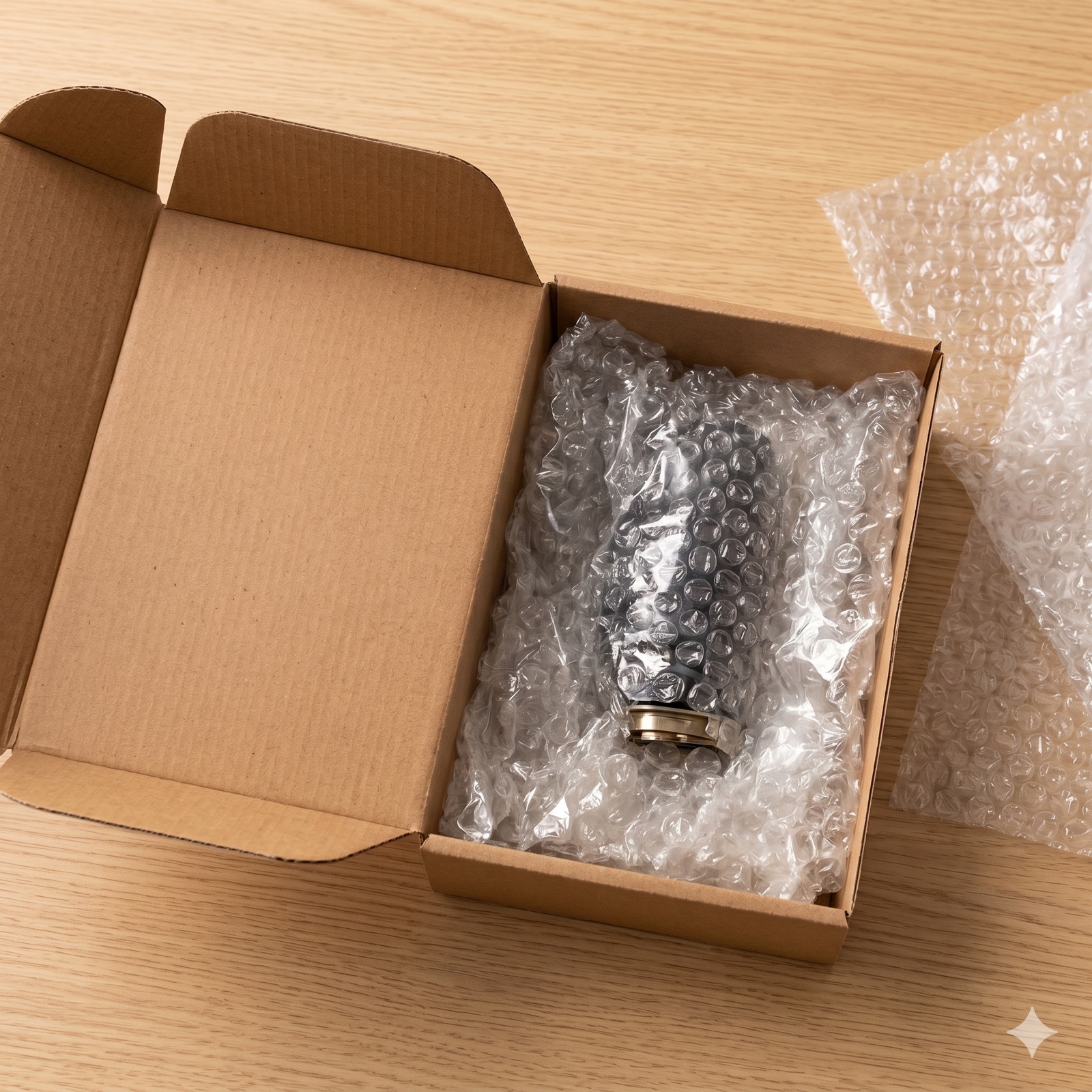
Bottle hand-wrapped in bubble wrap inside a kraft carton with loose plastic film beside it
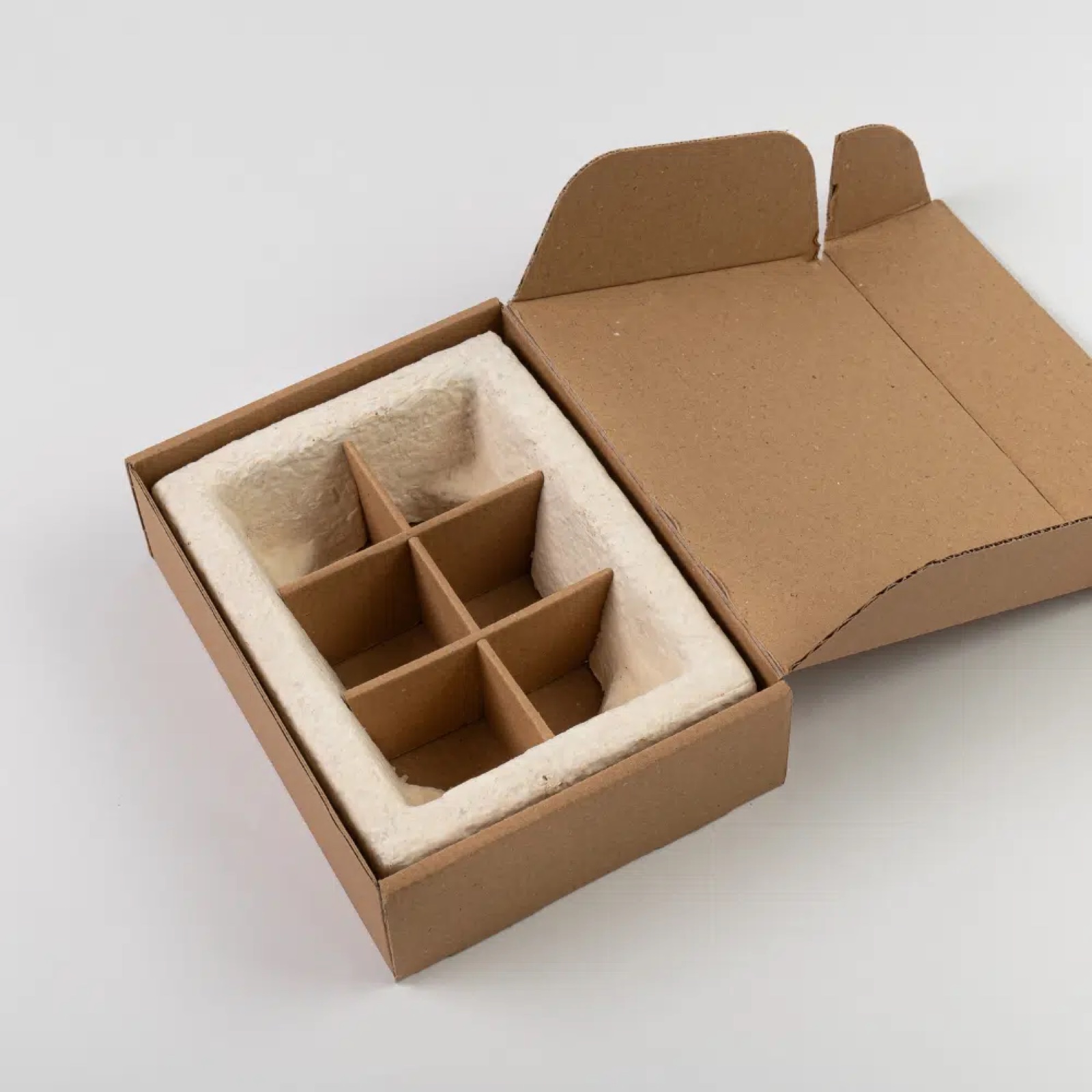
Six-cavity molded mycelium insert seated inside a kraft carton, engineered cushioning
Current
GlassTransit System
Bubble wrap layering
Strip-based structure
Thermocol loose fill
Mycelium pellets
Foam inserts
Molded mycelium
Manual variability
Controlled performance

Designed for Real Transit Conditions

Every format is engineered against the stresses cartons actually see, not idealized lab scenarios.

Shock Absorption

Distributed across multiple contact points, not a single wrap layer.

Reduced Movement & Vibration

Inserts hold products in place through transit, not just at rest.

Compression Stability

Holds shape under stacking loads encountered in real logistics flows.

Consistent Protection

Carton-to-carton performance doesn't depend on who packed it.

Designed to Work at Scale

A new material only matters if it fits into how your line already runs.

  • No change in packing workflow: drops into existing SOPs.
  • Comparable cost at scale: once volumes and geometry are set.
  • Reduced packing time: fewer steps per carton.
  • Lower material usage: less cushioning volume per shipment.

Built for a Post-Plastic Packaging World

Designed end-to-end to leave nothing behind that a supply chain shouldn't ship.

Bio-based Material

Grown from mycelium and agricultural biomass.

Compostable

Breaks down to soil in weeks, not centuries.

No Microplastics

Leaves no plastic residue in soil, water, or waste streams.

Lower Environmental Impact

Lighter footprint across material, energy, and end-of-life.

How the Pilot Works

Three steps to validate mycelium-based cushioning inside your existing system, without disrupting how you pack today.

Step One

Define the Use Case

We identify a specific product, component, or shipment type based on your current packaging setup.

  • Product dimensions and fragility
  • Current cushioning materials used
  • Carton structure and packing method
  • Typical shipment conditions

Outcome: A clearly defined use case aligned to your real packaging and logistics conditions.

Step Two

Develop the Packaging Configuration

A mycelium-based configuration is designed to replace existing cushioning materials such as bubble wrap, foam, or thermocol.

  • Loose fill pellets
  • Strip-based cushioning
  • Molded inserts

Outcome: A validated packaging configuration ready for pilot use.

Step Three

Pilot Deployment in Real Shipments

Pilot units are produced and used in actual shipments under normal logistics conditions.

  • Fit within existing cartons
  • Handling during packing
  • Stability during transit
  • Protection performance

Outcome: Real-world validation of packaging performance in your logistics environment.

What This Means for You

Practical benefits, not promises.

No change in packing workflow

Drops into the steps your team already runs.

Works with existing cartons

No new SKUs, no box re-engineering.

Tested in real shipment conditions

Validated under your actual transit routes.

Focus on performance and practicality

Engineered protection, not a promise tour.

FAQ

Mycelium is the root network of fungi. Combined with agricultural biomass (hemp hurd, rice husk, sawdust) it grows into a dense composite that can be moulded into any cavity geometry, then heat-set into a rigid, lightweight, shock-absorbing insert.

It absorbs impact and distributes load the same way EPS thermocol does, with one structural difference: the cavity is shaped to your product, not generic foam squares stuffed into a carton.

On shock absorption and compression resistance, mycelium inserts match or exceed EPS thermocol, primarily because the geometry fits the product instead of relying on operator judgement to wrap, layer, and tape.

Where bubble wrap and loose-fill protection vary carton-to-carton based on who packed it, an engineered insert delivers the same protection on every carton. That predictability is usually the biggest performance gain.

Yes. After fungal growth, the insert is heat-treated to deactivate the mycelium and dry the structure. The finished insert is dimensionally stable across normal shipping temperature and humidity ranges, including monsoon transit on coastal Indian routes.

The insert is not a live biological material at the point of shipping, it does not regrow, attract pests, or change shape with humidity.

Yes, it is home-compostable. After unboxing, the insert can be broken up and added to soil or a compost bin, where it returns to organic matter within a few weeks.

No microplastics, no chemical binders, no special disposal stream. It can also be dissolved in water and used as a soil amendment for plants.

It drops into your current carton at the same step where you would otherwise add foam, wrap a bottle, or fill voids with peanuts. No new packing stations, no carton SKU changes, no operator retraining.

Most pilots take 5–10 minutes to introduce on a packing line. The insert is the only thing your team handles differently.

At production volume, mycelium inserts are typically priced in the same range as comparable moulded EPS or custom foam inserts, and meaningfully better than bubble wrap once you account for packing time, void-fill material, and rework on damaged shipments.

Per-unit pricing depends on insert geometry, mould complexity, and order volume. Specifics are shared after reviewing your SKU and shipping conditions.

Fragile and precision items: glass bottles (perfumes, spirits, cosmetics, pharma), instruments, electronics modules, machined components, and any SKU currently shipped with bubble wrap, EPS foam, thermocol, or hand-cut paper inserts.

Items above roughly 2 kg or with extreme aspect ratios (very long/thin, very heavy) need a separate design conversation. We will tell you upfront if the use case is not a fit.

No packaging system guarantees zero breakage, and we will not pretend otherwise.

The pilot is built to measure whether mycelium-based cushioning meaningfully reduces your current breakage rate under real shipping conditions, not a controlled lab scenario.

A pilot covers use-case definition, insert design, mould fabrication, and a small batch of inserts that you ship through your real logistics setup. Each pilot focuses on one SKU so the insert geometry can be optimised for that product.

To start, we need:

  • Product dimensions and weight
  • Current carton dimensions
  • Current cushioning method (bubble wrap, foam, thermocol, peanuts, etc.)
  • Typical shipping route or logistics setup

The pilot output is real-shipment performance data, not a theoretical lab result.

What We Do

We focus on secondary packaging for fragile and precision products.

Across industries, products are still protected using bubble wrap, foam, and thermocol. While effective, these systems rely on manual layering and inconsistent cushioning.

We develop mycelium-based alternatives that replace these materials while fitting into existing packaging workflows. The focus is on real-world performance under actual transport conditions.

Saravanakumar Muralikrishnan, Founder

Saravanakumar Muralikrishnan

Founder & Product Lead, GlassTransit

GlassTransit was started by Saravana Kumar, whose interest in biomaterials began with hands-on experiments in mushroom cultivation. Over time, this curiosity developed into a broader effort to understand how mycelium and agricultural biomass can replace plastic cushioning used in shipping fragile and precision products. With a background in engineering leadership, Saravana brings a systems-oriented approach to sustainable materials, focusing not just on environmental impact, but also on practical performance in real transport conditions.

View Founder LinkedIn Profile

Test This in Your Existing Packaging Setup

Secondary packaging cannot be solved generically. It must be evaluated in the context of your product, packaging, and logistics.

If you are currently using bubble wrap, foam, or thermocol and want to explore alternatives without changing your process:

Discuss Your Use Case